
In a few moments we will rise for Yizkor, and each of us will hold someone. Maybe a face, maybe a voice. Maybe many faces and many voices. People whose absence is the reason this hour feels the way it feels. And I want to share a metaphor that has helped me stand in this very hour.
When speaking about a hot war, of making a siege around a city, the Torah teaches us not to destroy. The Torah forbids us cutting down fruit trees. And in the middle of that it asks a strange little question: כִּי הָאָדָם עֵץ הַשָּׂדֶה — “is a person a tree of the field?” In its plain sense it is a question. But our sages could never resist turning it into an answer. Yes, they said. A person is a tree of the field.
And if a person is a tree, then a family is a tree that grows across time.
There are roots down in the dark that we never saw: great-grandparents, great-greats, names we might remember, whole lives we will never know. There is a trunk. And there are branches, and there is fruit. Right now, we are that fruit. Every one of us grew on a tree we did not choose.
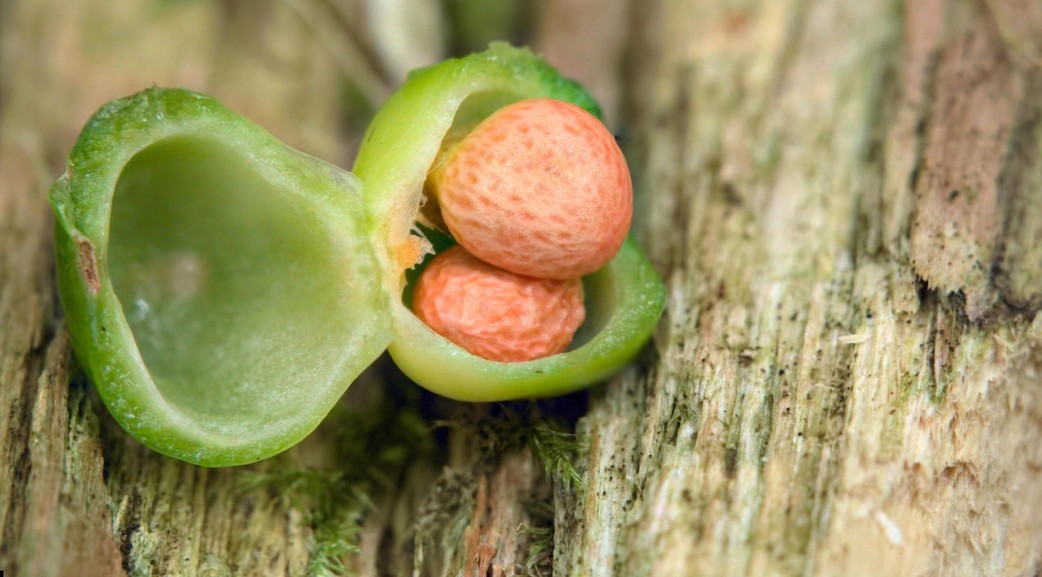
Here is the mystery of fruit. Fruit does two things at once. It carries the tree forward, for instance, the apple is made of the very tree that bore it. And yet inside every apple there is a seed, and that seed can be planted in new soil. It can grow toward a different light. Fruit is how a tree continues, and fruit is also how a tree becomes something new.
I say this because I know that in this room, not every face being held right now is a simple one. For some of you, Yizkor is uncomplicated grief for someone who loved you well, and you would give anything for one more ordinary afternoon with them.
But among us there are those for whom loss is not simple at all. Some of us might be holding the memory of a parent who was hard to love. Or maybe a parent who could not, for whatever reason, love you the way a child deserves to be loved. And you came here anyway. You will stand for Kaddish anyway. And I want you to know that our tradition has room for you, exactly as you are, with your whole complicated heart.
The Torah does not command us to love our parents. The fifth of the commandments is kibud av va-em, honor your father and your mother. Honor. Not adore. Not approve. Not pretend.
Judaism does not expect all parents to be good ones, and Judaism never asks you to lie about the one you had. It asks for honor.
Honor is something you can offer with clear and open eyes, holding the truth of a person in one hand and your respect for their tzelem Elohim, their potential towards goodness, in the other. Potential deserves respect, but potential is not actuality.
So what does it look like to honor such a tree? It looks like the work of a gardener. Ask any gardener: to keep a tree alive, to help it bear well, you have to prune it. You cut away what is diseased, so the whole tree will not sicken. You do not do it because you hate the tree, you do it because you love it, and you want it to live. When we take the inheritance our parents handed us and we sort honestly through it; when we say, this I keep, it nourished me; and this I set down, it only ever caused harm; and this hard thing, I will turn into compost, into soil, so that something better can grow up out of it… we are not betraying our parents. We are doing the most faithful thing a piece of fruit can do. We are tending the tree.
And now I want to tell you the most astonishing thing our tradition dares to believe about this day: the Talmud has a phrase bra mezakeh aba — a child brings merit to the parent. It means the soul of someone who has died is not sealed and shelved like a finished book. It is still rising. And what lifts it is what we, the living, do down here. The good we carry forward. The lessons we learned. And yes: even the lessons we learned from what they got wrong.
This happens when you become gentler because you knew, firsthand, what harshness cost. When you hold your own child differently because of the way you were once not held. When you keep the sweetness they managed to give you, and quietly refuse to pass along the bitterness they couldn’t help, you are not only healing yourself. In the strange and beautiful idea of our tradition, you are lifting your own parents. You are developing their soul and your own in the very same motion. The fruit reaches up, and somehow the whole tree rises with it.
That is what we are really doing when we stand for Yizkor. We are holding on to a relationship that was transformed by death but not finished. And we get to decide, today and every day after, what that relationship will keep growing into: what we carry, what we release, what we let their lives go on teaching ours.
So in a moment, I want to invite you to hold all of the people you are here for: the sweetness and the bruises, the gift and the ache, the whole true tree of the person who made you. And then, gently, make the gardener’s decision: this I keep. This I set down. This I will grow into something better. It is the last and best action a piece of fruit can offer its tree: to go on living, and to bear good fruit of its own.
They are not finished. Neither are we. And here, in this hour, the tree and the fruit rise together.
May the memories of all those we hold today be for a blessing, and may we, by how we live, be a blessing to them in return.