
Acharei Mot-Kedoshim covers instructions for Yom Kippur, prohibitions against forbidden sexual relations, and a call to holiness through ethical and ritual laws, including “Love your neighbor as yourself”. The portions are combined this year. Together, they emphasize that holiness has to do not only with separating from idolatry, but extends to personal and interpersonal relationships: sexual morality, social justice, and acts in our everyday life.
==
Acharei Mot literally means “after the death of”, and it opens in the shadow of death. Nadav and Avihu are gone. God speaks to Moshe and says: tell your brother Aaron — he cannot just walk into the inner sanctuary whenever he wishes. There is a moment, a specific day – Yom Kippur – for him to enter. And when that day comes, there is a protocol. We begin with what he should wear. Now listen to this.
On every other day of the year, the Kohen Gadol wears eight garments. Gold woven through his breastplate. Bells of gold on the hem of his robe. A golden headband engraved with the words Kodesh l’Adonai — Holy to God. Colorful – blue, purple and red yarns. The clothes are magnificent, hierarchical, unmistakable. You cannot look at him and miss what he is.
But on Yom Kippur — on the one day he enters the Holy of Holies — he takes all of it off. The text says: כְּתֹנֶת בַּד קֹדֶשׁ יִלְבָּשׁ — He shall wear a tunic of white linen. Linen pants. A linen belt. A linen turban. Four plain white garments. No gold. No color. No bells.
Why?
There is one simple answer, practical: gold is the metal of the Golden Calf. You don’t bring the symbol of Israel’s great failure into the place of Israel’s repair. That’s Rashi. It holds.
But the Zohar reaches further. It calls the white linen levush ha-neshamah — the garment of the soul. The eight golden vestments are magnificent, but they are a symbol of the office. They are hierarchical. They announce him. They carry his authority, his accumulated weight as Kohen Gadol. And the claim the Zohar is making is this: none of that can enter where he is going. Not because it’s bad. Not because honor and office don’t matter.
But because there is a place of encounter where all of that becomes noise. At the holy of holies, on Yom kippur, the Kohen Gadol is supposed to meet God’s presence at its most condensed. That place, at that moment, becomes a sacred threshold. In that confluence of holiest time, holiest place, holiest person, holiest nation – who you are in the world becomes an obstacle to who you are before God.
In Brazil, there is an afro-religion called umbanda. For any ceremony, all its practitioners wear white. When you see them in the seaside, on December 31st, you can’t help but understand the power of deciding to wear white for an important, religious moment.
Now, neither Jewish tradition nor umbanda practitioners invented this insight. It belongs to something much older in human spiritual experience — the recognition that genuine encounter requires a certain nakedness.
We live our lives heavily dressed. And I don’t mean literally. We are dressed in our roles — parent, professional, congregant, rabbi, the person who is carrying this particular grief or this particular pride right now. We are dressed in our histories — what we’ve survived, what we regret, what we’ve achieved. We are dressed in our expectations of whether God will answer our prayers in the affirmative, and whether this prayer is even worth saying.
All of that is real. All of that is us. But there is a question the white garments ask: can you put it down long enough to have an authentic connection with God?
That’s the spiritual technology embedded in this passage. The protocol isn’t just about the priest’s purity. It’s about his receptivity. You can’t hear what you aren’t open to receive. And you can’t be open while you’re fully armored in the signals of your identity.
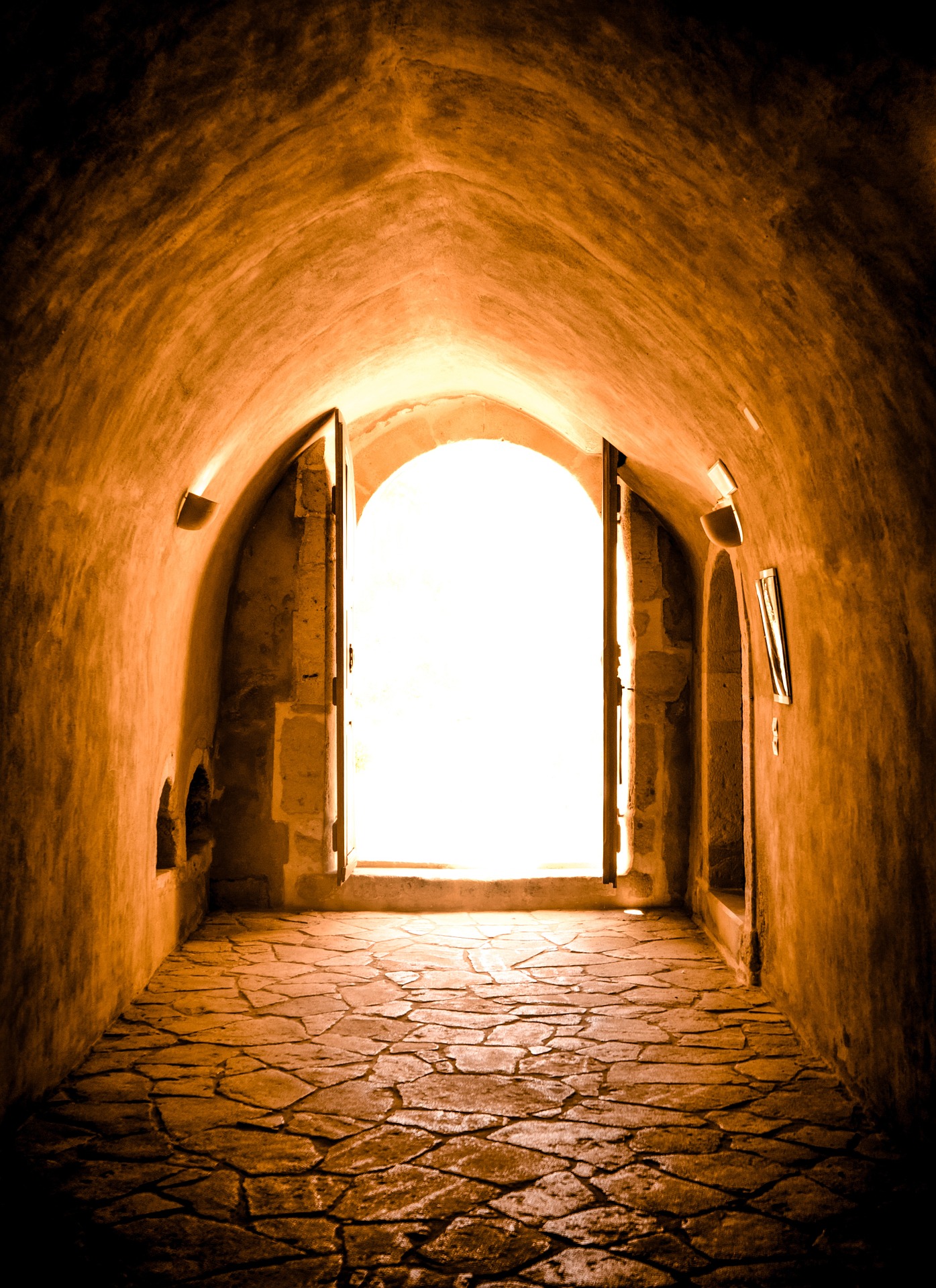
Image by <a href=”https://pixabay.com/users/leonhard_niederwimmer-1131094/?utm_source=link-attribution&utm_medium=referral&utm_campaign=image&utm_content=5547415″>Leonhard_Niederwimmer</a> from <a href=”https://pixabay.com//?utm_source=link-attribution&utm_medium=referral&utm_campaign=image&utm_content=5547415″>Pixabay</a>
The High Priest did this once a year. He had a ritual architecture for the putting-down. We don’t have that on an ordinary Shabbat — or do we?
There’s a reason we come here and not somewhere else. There’s a reason we stop — once a week and enter a different kind of time. The question is whether we arrive already dressed in an armor. Whether we’re here with our minds filled with our complaints and our certainties and our rehearsed negotiations with God.
What would it mean to come, even briefly, in white linen? Not naively — not as if our lives don’t matter, as if our pain isn’t real. But with the deliberate intention of putting it all down at the threshold. Of saying: I’m going to try to be available right now. Open. Unguarded.
In Acharei mot the Torah gives us a fundamental message for the encounter with God: even the most important man in Israel’s religious life can only connect truly with the Divine by becoming, visually, the same as everyone else.
The golden vestments will be waiting when he comes out. The role will be there. The authority will be there. He doesn’t abandon them — he sets them down for the duration of the encounter.
Maybe that’s what prayer is, at its best. Not the abandonment of who we are. But the willingness, for a few minutes, to take off the externalities — and see what speaks to us when we’re not announcing ourselves so loudly.
Shabbat Shalom.